
A field note from the Atlas mountains
Amghar.
Iha, Amghar awa.
"Oh, Amghar." You were waited for. You always were.
One cold morning in the Atlas mountains. A shared taxi. A village elder who was late. And three small words that explain everything about how Morocco welcomes you.
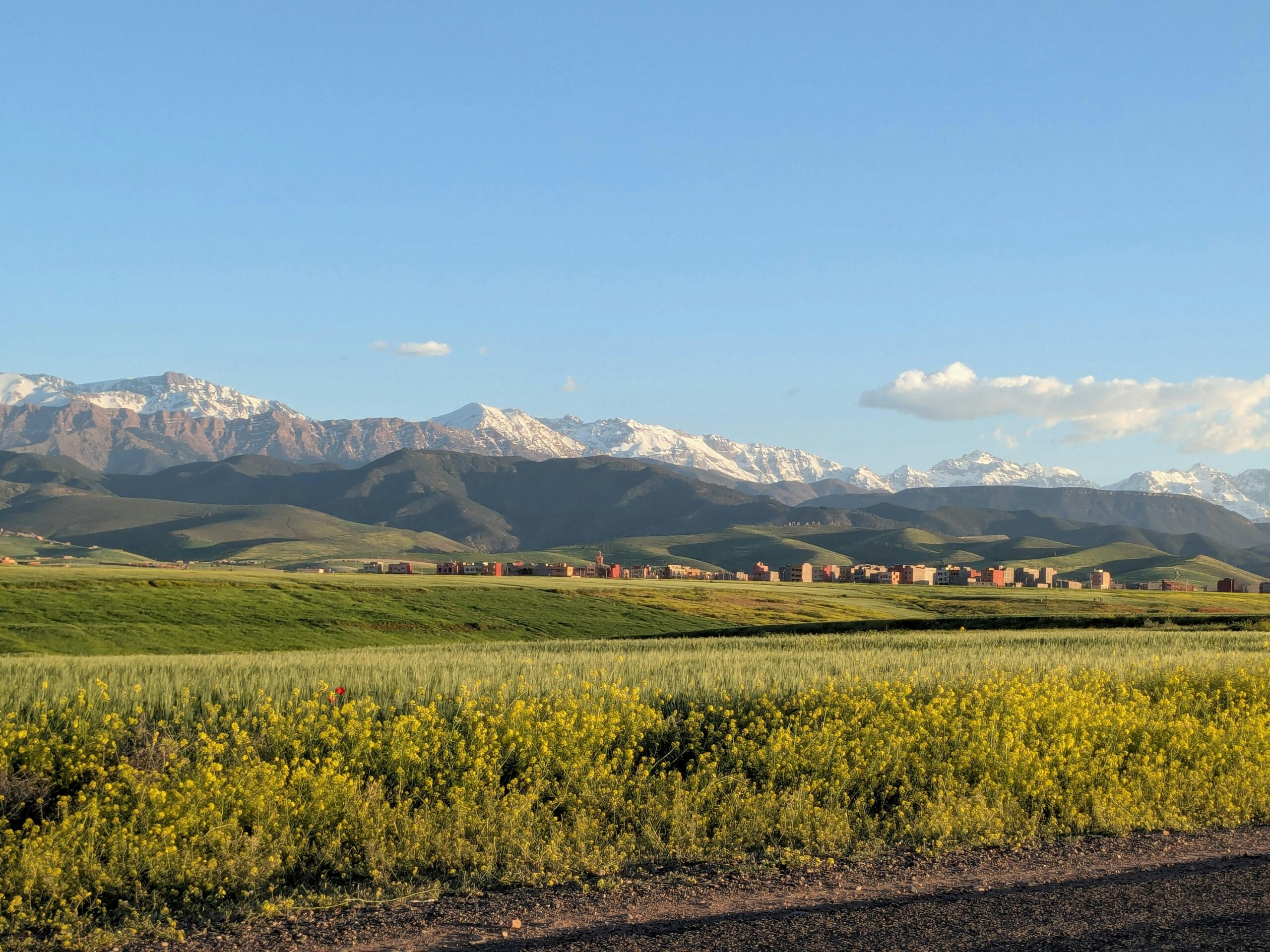
The kind of morning where the sun is still low on the mountains and the air smells like earth and wood smoke.
One morning, I needed to get to Marrakech. Not a special morning. Just a cold, quiet Atlas morning — the kind where the sun is still low on the mountains and the air smells like earth and wood smoke.
A shared taxi was parked on the dirt road, already full. Seven of us inside, bags at our feet, warm breath fogging the cold windows. The driver sat with his hands loose on the wheel, looking at the road.
We were waiting for the village Amghar.
Tamazight · noun
amghar
In the old language of the Amazigh people, amghar means elder. But not just old. It is the man the whole village trusts. The man you go to when nothing else works. The man whose word means more than any paper. He is not rich. He is not powerful. He is just deeply, quietly respected.
And he was late.
After a while, one of us leaned toward the driver. "Let's go," someone said softly. "It's getting late."
The driver didn't turn around. He didn't explain. He just said, calm and simple:
The driver, calm and simple
“This is Amghar.”
That was all. And nobody said another word.
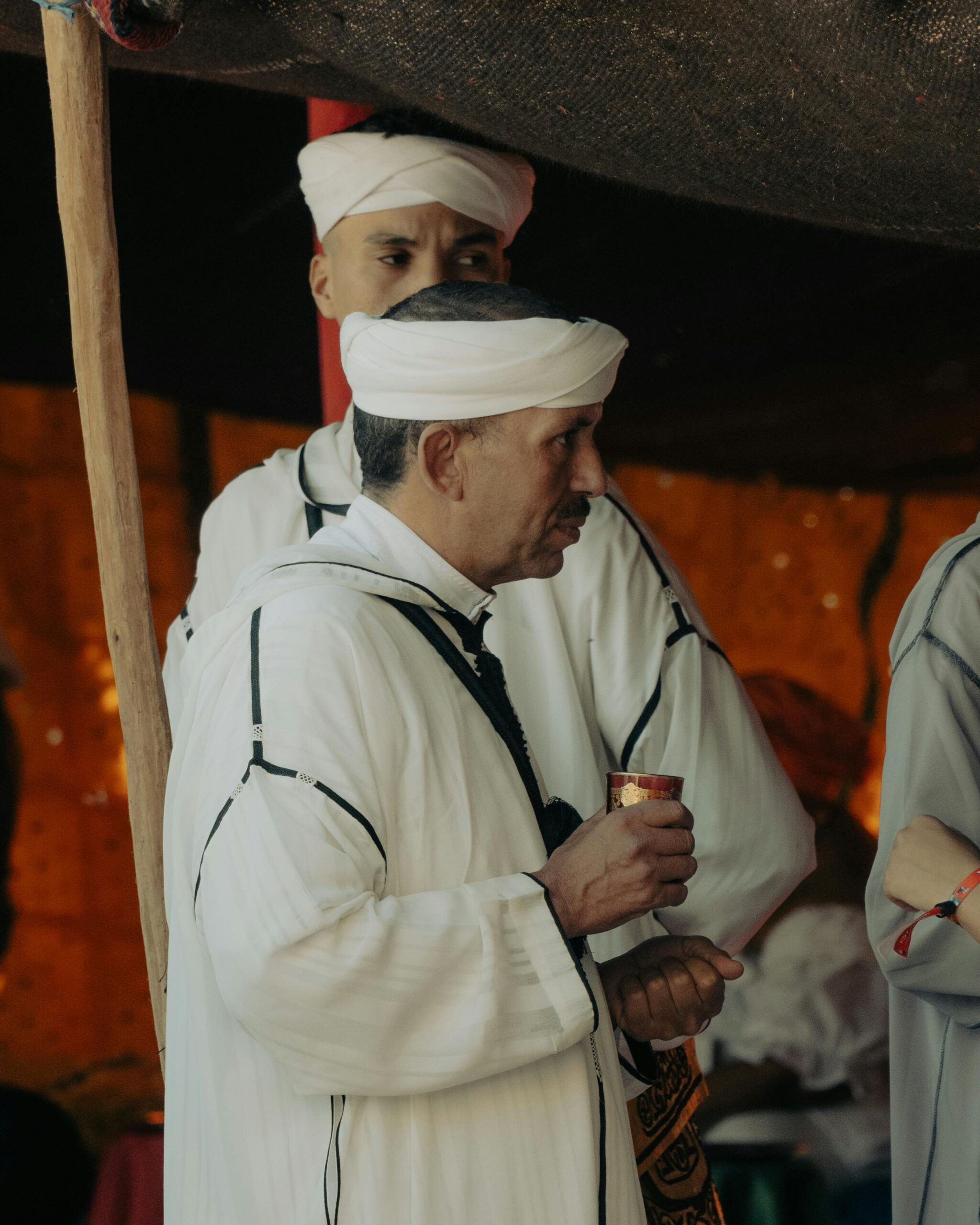
A man who had lived long enough to know his place in the world — and to move through it without hurry.
A few minutes later, a door opened across the road. An old man came out. Coat buttoned. Moving slowly. No rush, no apology. Just a man who had lived long enough to know his place in the world — and to move through it without hurry.
He got into the front seat. The driver started the engine. And as Amghar settled in, the driver said three small words — almost to himself, almost smiling:
Three words that hold a world
Iha, Amghar awa.
“Oh, Amghar.” You were waited for. You always were.
— The driver, almost smiling
In Tamazight, these words are hard to carry into English. The closest you can get is: "Oh, Amghar." But that is too small. Inside those three words is everything at once — yes, you were late; and also: it doesn't matter; and also: you are the Amghar, and we would wait again tomorrow.
Not sarcasm. Not a complaint. Just warmth and patience and a soft smile, all in three words.
We drove down the mountain toward Marrakech. Nobody mentioned the wait again.
That morning stayed with me. Because I have seen that same feeling given to people who have nothing to do with our village. People from far away, who came alone — with a backpack and a wish to see Morocco on their own terms.
And Morocco met them exactly the same way it met Amghar.
Every quiet courtesy you receive on the road is the same thing the driver gave the elder that morning.
-
The taxi driver who told you the honest price before you even asked.
That is Amghar.
-
The young man in the old city who walked you to the right street and asked for nothing.
That is Amghar.
-
The woman who put a glass of mint tea in front of you before you said a word.
That is Amghar.
-
The guide who saw that you wanted silence and gave you exactly that — all the way across the dunes.
That is Amghar.
-
The guesthouse owner who stayed awake because your bus was three hours late.
That is Amghar.
This is not something Morocco saves for special guests. This is just Morocco. This is who the country is when you step off the main road and move through it slowly — the way the Amghar walks. Without rushing. Without performing.
We chose this name for our work. Not to sound important. Not as a trick. But because Amghar is the feeling we want every traveller to have from the very first moment they arrive.
You don't need a tour group to protect you here. You don't need a guide holding your name on a sign. You don't need someone to do Morocco for you.
You just need to know one thing.
Amghar · Asmoon · Izem
From somewhere in Morocco.